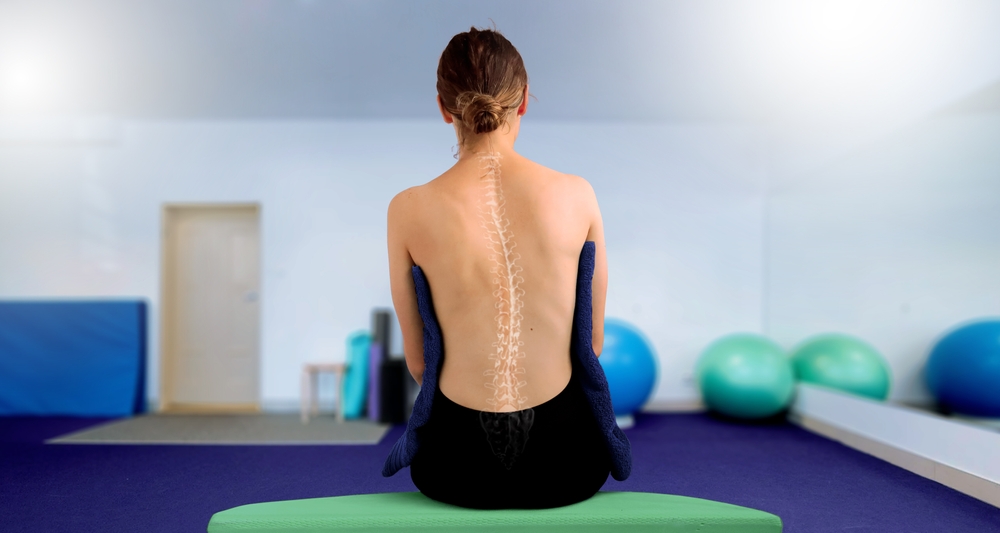
Scoliosis is a spinal condition characterized by an abnormal sideways curve that may also involve rotation of the vertebrae. Although it is commonly identified during childhood or adolescence, scoliosis can affect adults as well, sometimes contributing to back pain, stiffness, muscle imbalance, postural changes, and reduced mobility. Chiropractic care for scoliosis focuses on supporting comfort, movement, and overall spinal function.
Understanding Scoliosis
When viewed from the side, a healthy spine has natural curves that help absorb pressure and support movement. With scoliosis, the spine develops an abnormal C-shaped or S-shaped curve when viewed from behind.
The condition can range from mild to severe, and symptoms vary depending on the location and degree of the curve. Many cases are classified as idiopathic scoliosis, meaning the exact cause is unknown. Other forms may be related to congenital spinal differences, neuromuscular conditions, age-related degeneration, or previous injuries.
Common Signs and Symptoms
Some people with scoliosis experience few noticeable symptoms, while others develop discomfort or physical changes that affect daily activities. Common signs may include:
Uneven shoulders, hips, or waist
One shoulder blade appearing more prominent
A visible spinal curve or rotation
Back pain, stiffness, or muscle fatigue
Reduced flexibility or range of motion
Postural changes or difficulty standing comfortably
During an evaluation, our chiropractor may assess posture, spinal and joint mobility, muscle tension, movement patterns, and areas of physical imbalance. This information helps identify how scoliosis may be affecting your ability to move comfortably and complete everyday activities.
How Chiropractic Care May Help
Chiropractic care for scoliosis focuses on improving comfort, mobility, and overall function. Treatment recommendations are personalized according to each patient’s age, symptoms, medical history, lifestyle, physical examination findings, and available imaging.
Depending on your examination findings, chiropractic care may include:
Gentle chiropractic adjustments to improve joint mobility
Soft tissue therapy to address muscle tension and discomfort
Stretching and mobility exercises to support flexibility
Postural guidance for sitting, standing, and everyday movement
Personalized exercises to support the muscles surrounding the spine
Postural guidance to minimize daily discomfort
Movement strategies designed to encourage better balance and coordination
By addressing joint restrictions and muscle tension surrounding the spinal curve, chiropractic care may help reduce discomfort, improve range of motion, and make certain activities easier to perform.
When to Schedule an Evaluation
Consider scheduling a scoliosis evaluation if you notice uneven posture, recurring back discomfort, limited mobility, or changes in spinal alignment. A thorough examination can identify joint restrictions and muscle imbalances while helping determine whether chiropractic care is appropriate for your needs.
Schedule a scoliosis evaluation and learn how personalized chiropractic care may support better movement, comfort, and daily function.