Stress does not stay in your head. Long workdays, poor sleep, repetitive movements, and emotional tension can leave muscles tight and make neck or back discomfort more noticeable. For Salem patients dealing with recurring tension, massage therapy can provide a practical way to relax overworked soft tissues and support comfortable movement.
Massage is often described as lowering cortisol, the hormone involved in the body's stress response. However, research suggests the effect on systemic cortisol is generally small and inconsistent. The benefits of massage appear to involve several mechanisms beyond hormone changes, including relaxation, reduced muscle tension, pain relief, and improved mobility. (pubmed.ncbi.nlm.nih.gov)
Understanding Cortisol and Physical Stress
Cortisol is a normal hormone that helps the body respond to stress, regulate metabolism, and maintain other essential functions. Problems arise when ongoing stress is accompanied by poor sleep, muscle guarding, headaches, or persistent physical tension.
Massage therapy should not be viewed as a medical treatment for abnormal cortisol levels. Instead, regular massage may help promote relaxation and reduce the physical tension associated with stress. For Salem patients who repeatedly carry tightness through the shoulders, neck, and lower back, this can make daily movement feel easier.
How Tight Muscles Affect the Spine
Your spine is supported by muscles, tendons, ligaments, and other soft tissues. When muscles remain tense, they can restrict comfortable movement and contribute to stiffness around spinal joints.
Poor posture, prolonged sitting, repetitive lifting, and previous injuries may cause certain muscle groups to work harder than others. Over time, this can create patterns of tightness that make it difficult to sit, stand, bend, or exercise comfortably.
Massage therapy focuses on these soft tissues. By loosening tense areas and improving flexibility, massage can complement chiropractic care aimed at restoring healthier joint movement and function. The Spine Clinic in Salem specifically combines massage therapy with chiropractic care to help reduce muscle tension and improve range of motion.
Benefits of Regular Massage Therapy
When included in a personalized wellness or chiropractic plan, massage therapy may help with:
- Reducing muscle tightness and tenderness
- Promoting a greater sense of physical relaxation
- Improving flexibility and comfortable range of motion
- Easing tension associated with prolonged sitting or standing
- Supporting recovery after physical activity
- Preparing tight muscles for chiropractic adjustments
- Helping patients manage recurring neck and back discomfort
The goal is not to force the spine into alignment through massage alone. Instead, relaxed and more mobile soft tissues can provide better support for comfortable movement and may make other forms of conservative care easier to perform.
Why Massage and Chiropractic Care Work Well Together
Chiropractic adjustments focus primarily on joint mobility and spinal mechanics, while massage therapy works with the surrounding muscles and other soft tissues. Combining the two allows a treatment plan to address different parts of the musculoskeletal system.
For example, a Salem patient with neck stiffness may have restricted spinal movement along with tight muscles across the shoulders. Chiropractic care may improve joint motion, while therapeutic massage helps reduce the surrounding muscular tension. The Spine Clinic offers both chiropractic adjustments and massage therapy as part of its supportive care options.
Making Massage Part of a Long-Term Routine
How often you need massage therapy depends on your symptoms, activity level, injury history, and treatment goals. Someone recovering from an injury may need a different schedule than a desk worker managing recurring shoulder tension.
Regular movement, strength exercises, ergonomic workstation adjustments, adequate sleep, and good lifting habits also support spinal health between appointments. Massage works best as one part of a broader plan rather than as a stand-alone solution for every source of pain.
Certain medical conditions may also require additional precautions before massage. Tell your provider about fractures, open wounds, blood-clotting conditions, osteoporosis, pregnancy, recent surgery, or other significant health concerns before treatment.
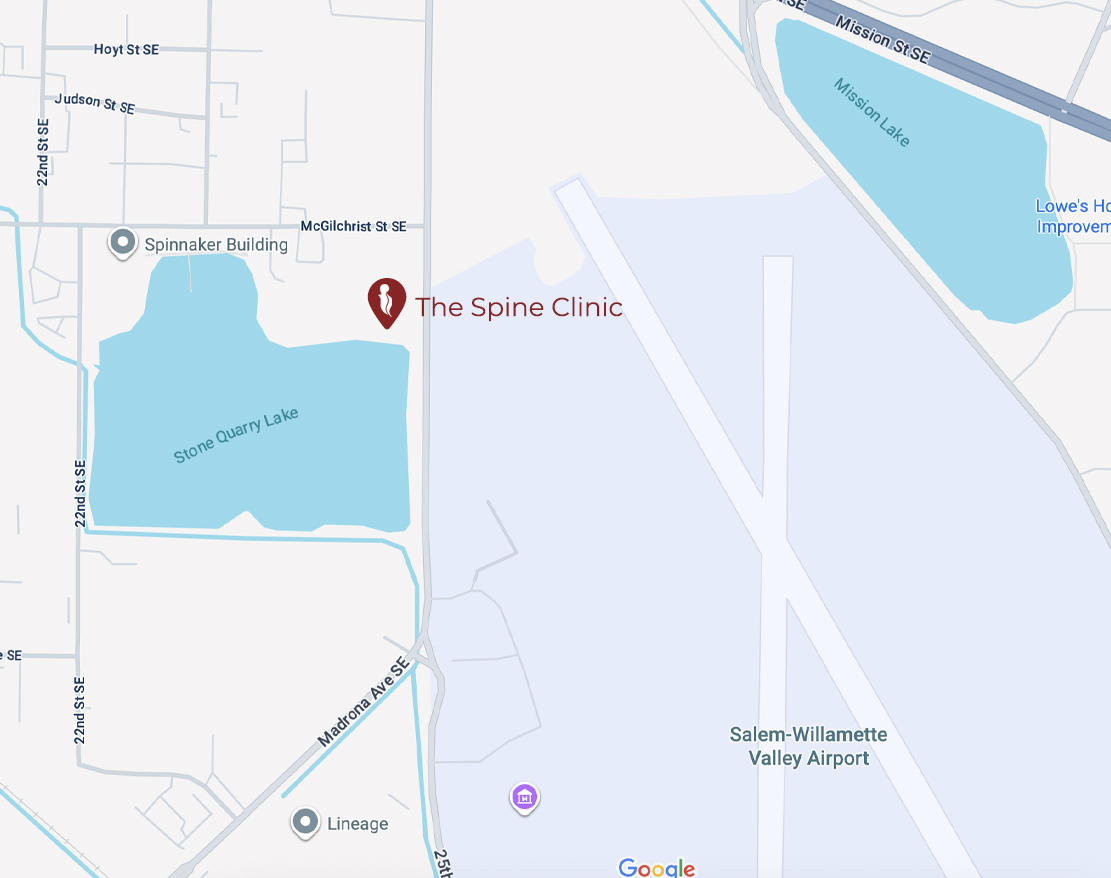
Support more comfortable movement and give tense muscles the attention they need by scheduling massage therapy with The Spine Clinic at The Spinnaker Place, 2601 25th St SE, Suite 400, Salem, OR 97302. Call (503) 362-5555 to book an appointment.